 Inter Miami CF Hub
Refining the Herons: Tactical Adjustments for Inter Miami CF's Success
Inter Miami CF has shown flashes of brilliance throughout the season but has also faced challenges that have hindered their consistency. As they gear up for a crucial phase of the campaign, a tactical assessment reveals areas for improvement that could significantly elevate their performance.
Current Tactical Setup
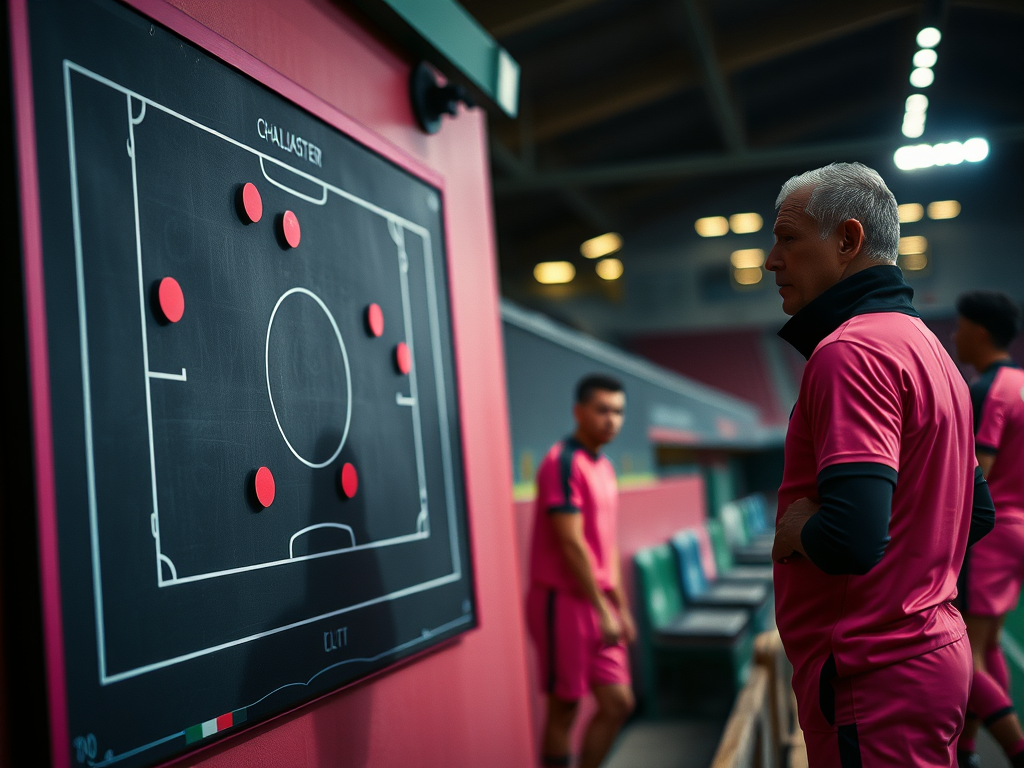
Inter Miami has predominantly employed a 4-2-3-1 formation, which has allowed them to maintain a solid midfield presence while also providing attacking width. However, this setup has also revealed vulnerabilities, particularly when facing teams that press high or exploit spaces left on the flanks. The reliance on a compact midfield has at times stifled creativity and led to predictable patterns in play.
Midfield Dynamics
The midfield duo of Federico Higuaín and the emerging talent Ezequiel Abadia-Reda has been effective in controlling games but lacks the dynamism needed against more aggressive opponents. By tweaking the midfield structure to a 4-3-3 formation, Inter Miami could introduce more fluidity and adaptability. This shift would allow a third central midfielder to push forward, providing support in attack while also enhancing defensive cover against counterattacks.
Wide Play and Wingbacks
The use of wingbacks has been a double-edged sword for the Herons. While it allows for width and crosses into the box, it also leaves gaps defensively. To maximize the effectiveness of the wingbacks, Miami should consider utilizing a more conservative approach where the outside defenders prioritize defensive duties, only pushing forward when the team is in a secure position. This would help in maintaining a balanced shape, reducing vulnerability to quick transitions from opponents.
Pressing and Defensive Structure
Inter Miami's pressing game has been inconsistent, often leading to breakdowns in organization. Implementing a more coordinated pressing strategy, where forwards initiate pressure in a synchronized manner, can significantly disrupt the opposing team's build-up play. Additionally, introducing a zonal marking system in defensive phases could help mitigate threats from set pieces and crosses, areas where Miami has struggled at times.
Substitutions and Squad Rotation
As the season progresses, managing player fatigue becomes crucial. Miami should look at optimizing substitutions not just for fatigue management but also to inject pace and creativity into the game. Young talents like L. Barraza and G. Berterame should be given more minutes, especially in matches where the team is looking to chase a goal, allowing for fresh legs that can exploit tired defenses.
Conclusion
In conclusion, while Inter Miami CF has established a strong foundation this season, tactical tweaks are necessary to enhance their overall performance and effectiveness. By adopting a more dynamic midfield structure, refining wingback roles, coordinating pressing strategies, and optimizing player rotations, the Herons can make a compelling push toward the playoffs. As they continue to evolve, the tactical flexibility of the squad will be key to navigating the challenges that lie ahead.